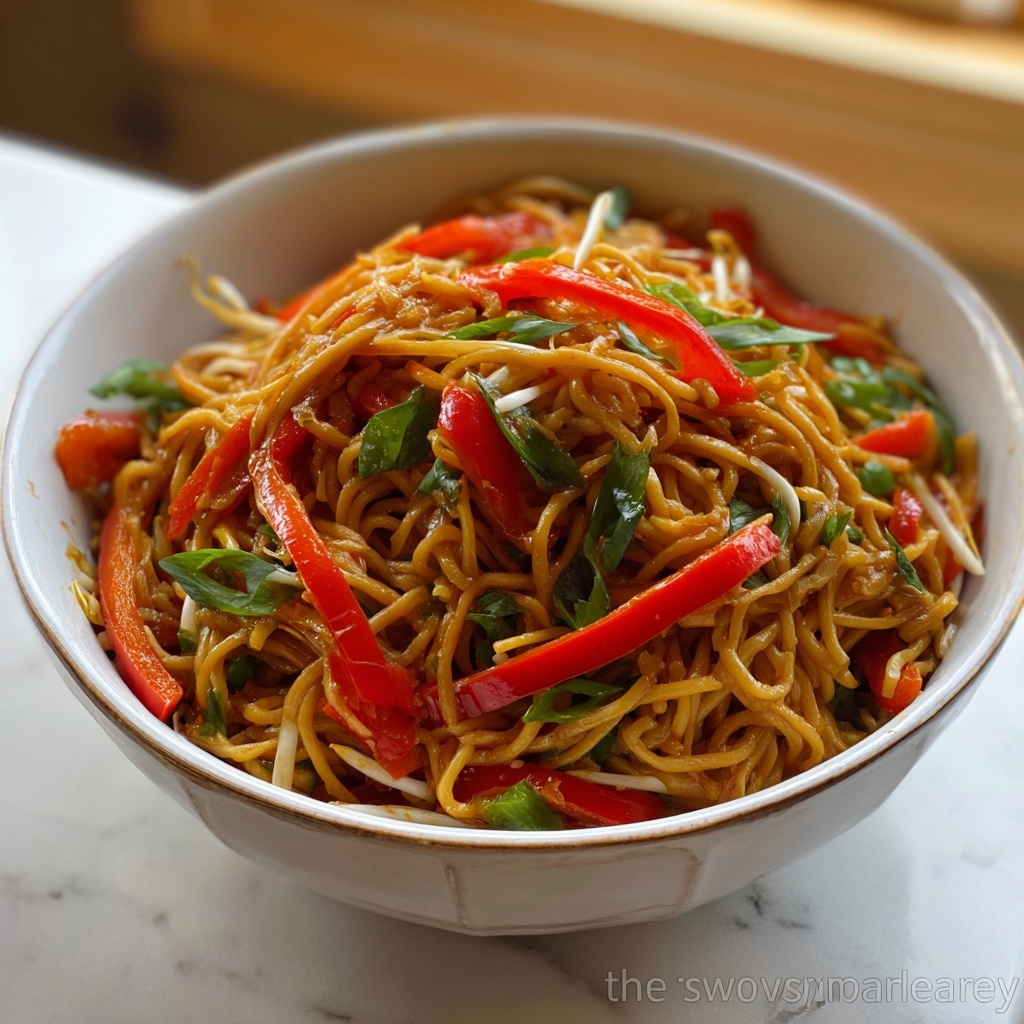
If you’ve been searching for a noodle dish that perfectly balances simplicity and depth, you’re going to love this Shanghai Pork and Cabbage Noodle Stir-Fry Recipe. It’s a comforting, elegant stir-fry that highlights tender pork belly, crisp Napa cabbage, and silky wheat noodles all tossed in a subtly savory sauce. This recipe is like a warm, delicious hug on a plate, combining textures that make every bite a little celebration, and it’s surprisingly easy to bring together with just a handful of essential ingredients.
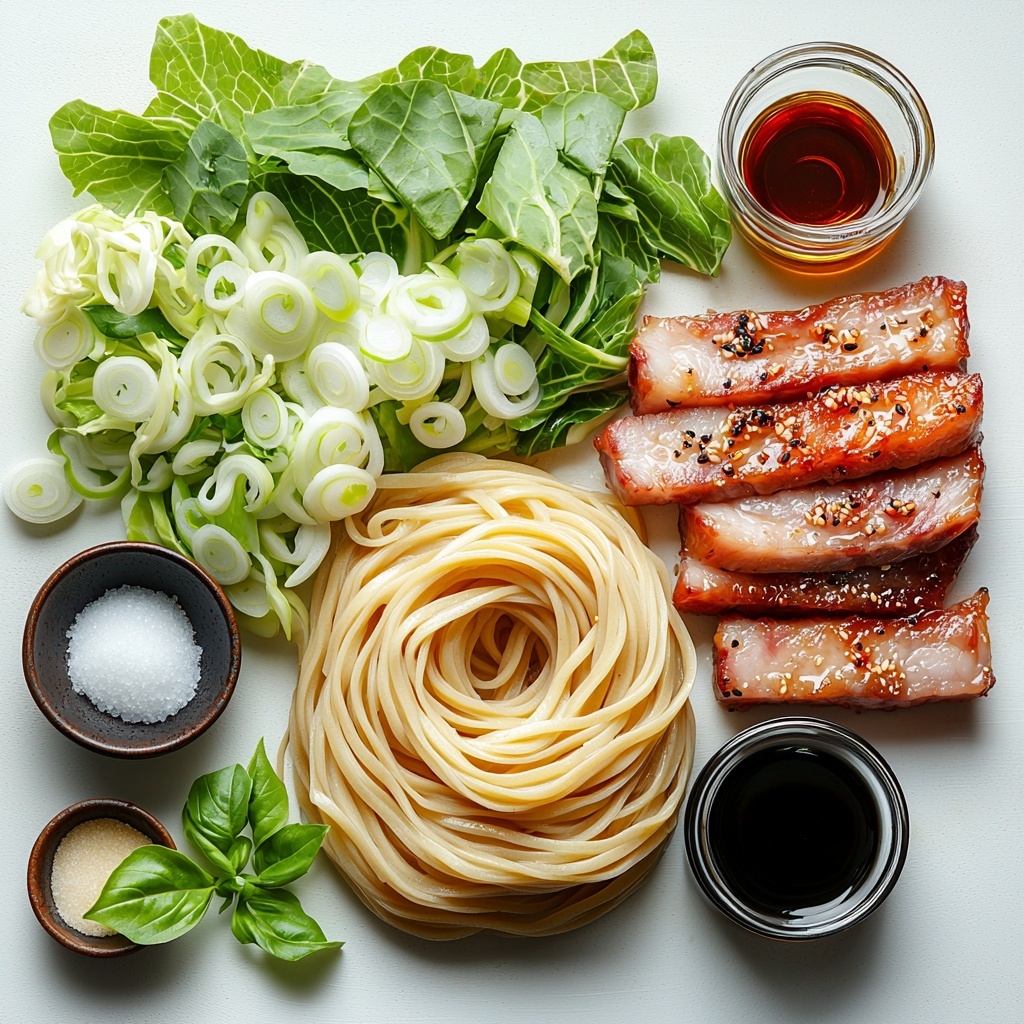
Ingredients You’ll Need
The magic of this Shanghai Pork and Cabbage Noodle Stir-Fry Recipe comes from straightforward ingredients, each chosen to create harmony in flavor, texture, and color. Every element plays a distinct role, bringing authenticity and balance to your dish.
- Shanghai wheat noodles: Fresh if possible, these noodles offer that soft, chewy texture crucial for the dish’s signature mouthfeel.
- Thinly sliced pork belly or loin: Pork belly gives richness, while loin keeps it lean; either way, thin slices cook quickly and remain tender.
- Napa cabbage (or bok choy): Adds a fresh crunch and subtle sweetness that contrasts beautifully with the pork and noodles.
- Scallions: The whites provide aroma when cooked, and the greens add a fresh crisp finish.
- Light soy sauce: The main seasoning for a mild, savory flavor.
- Dark soy sauce: Used sparingly for color without overpowering saltiness, giving the dish its classic deep hue.
- Sugar: Just a tiny pinch to brighten and balance the savory tones, an authentic touch from Shanghai personality.
- Neutral oil (peanut or vegetable): Essential for stir-frying at high heat without masking flavors.
How to Make Shanghai Pork and Cabbage Noodle Stir-Fry Recipe
Step 1: Prepare the Noodles
Start by boiling the Shanghai wheat noodles just until they’re tender but still have a slight bite. This step is crucial because overcooking will make your stir-fry mushy. Once done, drain the noodles thoroughly so they stay light and separate in the final dish.
Step 2: Cook the Pork
Heat your neutral oil in a wok or large skillet over high heat. Add the thinly sliced pork and stir-fry until it’s just browned but not overcooked, keeping the meat juicy and flavorful. The sizzling pork fat will impart a beautiful depth to the dish.
Step 3: Sauté the Aromatics and Cabbage
Next, toss in the white parts of the scallions, letting their mild onion scent infuse the oil for a few seconds. Then add the Napa cabbage, cooking until just wilted but still vibrant and slightly crunchy — those contrasting textures are what make this recipe so satisfying.
Step 4: Combine Noodles and Seasonings
Slide in the drained noodles and toss everything together quickly over high heat. Splash in the light soy sauce for savory depth, use just a hint of dark soy sauce to give the noodles that beautiful warm brown color, and add a tiny pinch of sugar to balance the flavors. Keep stirring and tossing until all ingredients are evenly coated and heated through.
Step 5: Finish with Scallion Greens
To finish, sprinkle the scallion greens over the stir-fry for a fresh, gentle bite and a pop of color. Give it one last toss off the heat, and your Shanghai Pork and Cabbage Noodle Stir-Fry Recipe is ready to enjoy!
How to Serve Shanghai Pork and Cabbage Noodle Stir-Fry Recipe
Garnishes
Since this dish is all about restrained elegance, keep garnishes light and complementary. A few extra scallion greens or a sprinkle of toasted sesame seeds add a lovely final touch without overpowering the delicate flavors of the stir-fry.
Side Dishes
This stir-fry shines best when paired with simple sides that don’t compete. Think steamed or lightly sautéed greens, like garlic broccoli or wilted spinach, or a refreshing cucumber salad to provide a crisp counterpoint to the warm noodles.
Creative Ways to Present
Serve the stir-fry family-style, letting everyone dig in with chopsticks for a convivial, casual vibe. For something a bit special, plate it on warmed shallow bowls, drizzle a tiny bit of chili oil on top for a hint of heat, or add a soft-boiled egg on the side to amp up the comfort factor.
Make Ahead and Storage
Storing Leftovers
Leftover Shanghai Pork and Cabbage Noodle Stir-Fry Recipe keeps well in an airtight container in the refrigerator for up to 2 days. The noodles may absorb some sauce, so a quick stir-fry in a hot pan can help revive their texture before serving again.
Freezing
While freezing is possible, it’s not ideal for this dish because the noodles tend to get mushy upon thawing. If you must freeze it, portion out and flash freeze before packing into freezer-safe containers, then thaw gently in the fridge before reheating.
Reheating
The best way to reheat is quickly stir-frying over high heat with a little oil to refresh the noodles and reheat the pork and cabbage without drying them out. Alternatively, a microwave on medium power works in a pinch but be sure to stir halfway through.
FAQs
Can I use other types of noodles?
Absolutely! While Shanghai wheat noodles are traditional and ideal for texture, you can substitute fresh or dried egg noodles or even rice noodles if that’s what you have on hand. Just mind the cooking time to avoid over-softening.
What cut of pork works best for this stir-fry?
Thinly sliced pork belly is the classic choice for its rich flavor and tender fat. If you prefer leaner meat, pork loin works well too but keep an eye on cooking time to prevent it from drying out.
Can I make this dish vegetarian?
Yes, you can swap pork for firm tofu or sliced mushrooms for a vegetarian version. Use vegetable oil and consider adding a touch of mushroom soy sauce for umami depth to replace the meaty richness.
Is dark soy sauce very salty?
Not at all. Dark soy sauce is mainly used for color and adds a slightly sweet depth, not saltiness. The saltiness mostly comes from light soy sauce, so use dark soy sparingly to achieve that classic deep color.
Why isn’t there garlic or oyster sauce in this recipe?
Shanghai cooking tends to be more delicate and focuses on restrained elegance. Unlike other stir-fry styles, it avoids stronger aromatics like garlic or richer condiments like oyster sauce to highlight fresh ingredients and subtle seasonings.
Final Thoughts
Once you try this Shanghai Pork and Cabbage Noodle Stir-Fry Recipe, I’m confident it will become one of your go-to dishes for an easy yet satisfying meal. Its perfect balance of textures, gentle savory flavors, and straightforward technique make it a joy to prepare and enjoy any day of the week. Give it a whirl and watch how quickly it becomes a favorite in your kitchen!
Print
Shanghai Pork and Cabbage Noodle Stir-Fry Recipe
- Prep Time: 10 minutes
- Cook Time: 10 minutes
- Total Time: 20 minutes
- Yield: 3-4 servings
- Category: Main Course
- Method: Stir-frying
- Cuisine: Shanghai Chinese
Description
This classic Shanghai-style stir-fried wheat noodles recipe features tender noodles, thinly sliced pork belly or loin, and crisp Napa cabbage tossed in a simple yet deeply savory sauce. The dish highlights the elegance of Shanghai cooking with restrained seasoning using light and dark soy sauces and a pinch of sugar, delivering the perfect balance of mild but rich umami flavors and satisfying contrasting textures from soft noodles and crunchy vegetables.
Ingredients
Meat
- 200g thinly sliced pork belly or pork loin
Vegetables
- 1 small Napa cabbage or equivalent bok choy, chopped
- 3 scallions, separated into whites and greens
Noodles
- 300g fresh Shanghai wheat noodles (substitute with dried if fresh unavailable)
Sauce & Seasoning
- 1 tablespoon light soy sauce
- 1 teaspoon dark soy sauce (for color)
- 1 pinch sugar
Oils & Others
- 2 tablespoons neutral oil (peanut or vegetable oil)
Instructions
- Boil the noodles: Bring a large pot of water to a boil. Add the Shanghai wheat noodles and cook just until tender, about 2-3 minutes for fresh noodles or according to package instructions if dried. Drain the noodles thoroughly and set aside to prevent sogginess.
- Stir-fry the pork: Heat the neutral oil in a large wok or skillet over high heat until shimmering. Add the thinly sliced pork and stir-fry quickly until it just begins to brown and is cooked through, about 3-4 minutes.
- Add scallion whites and cabbage: Add the white parts of the scallions to the pork and stir-fry for 30 seconds to release aroma. Then add the chopped Napa cabbage or bok choy and cook until just wilted but still maintaining a bit of crispness, about 2-3 minutes.
- Toss in the noodles: Add the drained noodles to the wok. Toss everything quickly to combine and heat through, ensuring the noodles are evenly mixed with the pork and vegetables.
- Season the dish: Pour in the light soy sauce, a splash of dark soy sauce for color, and a tiny pinch of sugar. Stir-fry on high heat to coat the noodles evenly and develop a savory glaze. Be careful not to overcook; the goal is a fast, hot toss to keep textures lively.
- Finish and serve: Remove from heat and toss in the green parts of the scallions just before serving to add fresh color and flavor. Serve immediately for the best texture and taste.
Notes
- Fresh Shanghai wheat noodles are preferred for authentic texture but dried noodles can be rehydrated as a substitute.
- Use thinly sliced pork belly for richer flavor or pork loin for a leaner option.
- Adjust the amount of soy sauces to taste but keep dark soy minimal to avoid overpowering saltiness.
- This recipe deliberately avoids garlic, oyster sauce, and sesame oil to maintain the traditional restrained Shanghai flavor profile.
- Serve hot as a comforting yet light main dish.