“`html
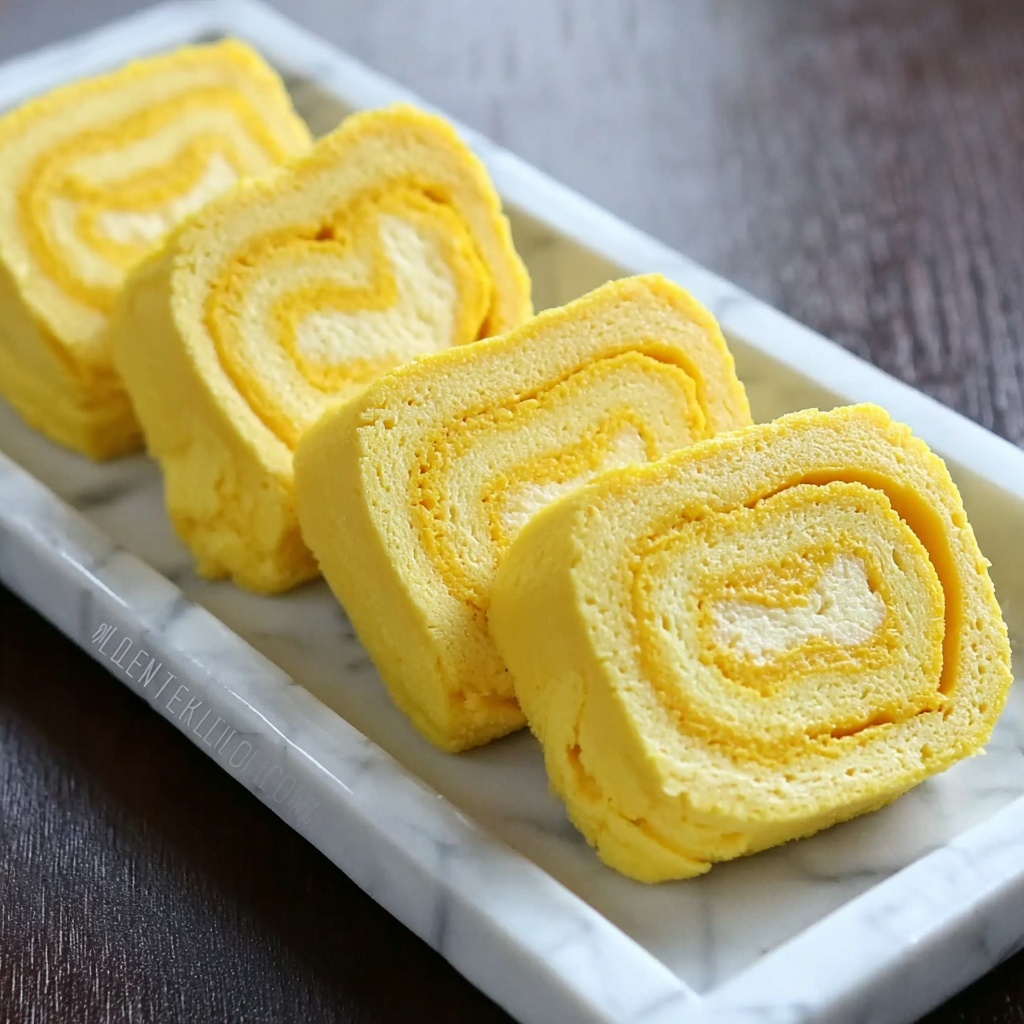
There is something truly magical about a Tamagoyaki that’s perfectly fluffy and tender, with just the right balance of sweet and savory notes. The Perfect Tamagoyaki: Fluffy Japanese Omelette Made Easy Recipe is an absolute gem for both beginners and seasoned home cooks alike. This recipe transforms simple eggs into layers of delicate, melt-in-your-mouth goodness, offering a comforting yet elegant taste of Japanese cuisine that you’ll love to make again and again.
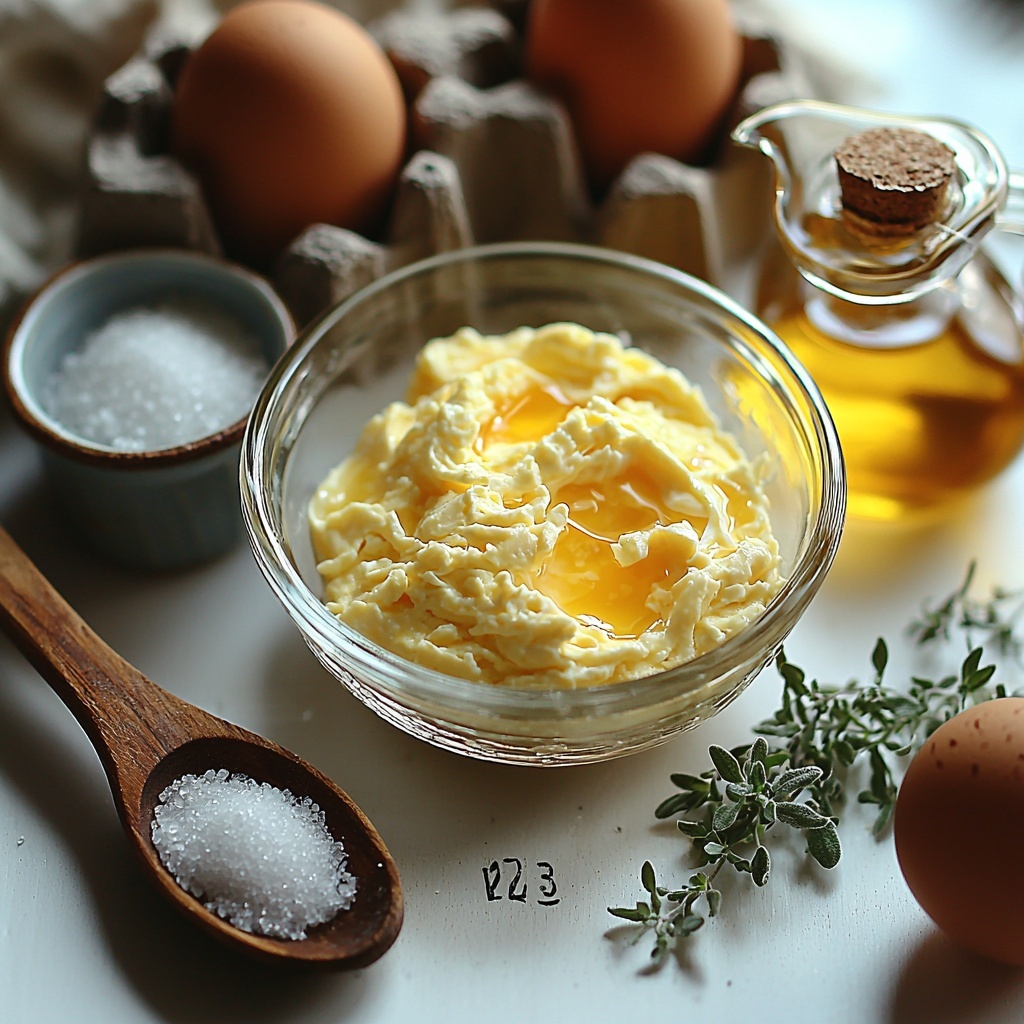
Ingredients You’ll Need
The beautiful thing about this Perfect Tamagoyaki: Fluffy Japanese Omelette Made Easy Recipe is how straightforward the ingredients are, yet how each plays an essential role in crafting those soft, sweet layers. From the eggs that form the base, to the light sweetness that makes it uniquely Japanese, every component matters.
- 3 units Eggs: Fresh eggs are key for the best flavor and structure to create that signature fluffiness.
- 2 tablespoons Water: This adds moisture that helps keep the omelette tender rather than rubbery.
- 0.5 teaspoon Salt: Using sea salt gives a clean finish and enhances the natural egg flavor.
- 2 teaspoons Sugar: Adjust the sweetness to your taste, balancing the salt and creating the classic tamagoyaki profile.
- 1 tablespoon Vegetable Oil: Used for greasing the pan, it prevents sticking and helps in achieving smooth, even layers; sesame oil is a great alternative for a subtle nutty aroma.
How to Make Perfect Tamagoyaki: Fluffy Japanese Omelette Made Easy Recipe
Step 1: Whisk the Egg Mixture
Start by cracking the eggs into a medium bowl. Add water, salt, and sugar, then whisk vigorously until the mixture becomes pale and slightly frothy. This aeration is crucial as it ensures your tamagoyaki will get that famous fluffy texture that melts in your mouth.
Step 2: Prepare Your Pan
Heat your tamago pan or a small non-stick skillet over medium-low heat. Lightly grease it with vegetable oil to create a non-stick surface crucial for rolling the egg layers without tearing.
Step 3: Cook the First Layer
Pour just enough egg mixture to thinly cover the pan bottom. Cook gently until the surface is almost set but still slightly runny. This perfect timing is key to creating tender layers that bind together without overcooking.
Step 4: Roll the Egg
Using a spatula or chopsticks, carefully roll the cooked egg layer towards one side of the pan. This forms the foundation for the layered omelette and sets the stage for adding more layers.
Step 5: Add More Layers
Pour another thin layer of the egg mixture into the pan, lifting the rolled omelette slightly to let the liquid slip beneath it. Cook as before, then roll the new layer around the previous roll. Repeat this layering and rolling until all the egg mixture is used, shaping a thick, multilayered omelette.
Step 6: Slice and Serve
Let your tamagoyaki cool slightly so it firms up just enough for neat slicing. Cut it into equal pieces and admire the beautiful layers inside—a true testament to your handiwork!
How to Serve Perfect Tamagoyaki: Fluffy Japanese Omelette Made Easy Recipe
Garnishes
While the Perfect Tamagoyaki: Fluffy Japanese Omelette Made Easy Recipe shines on its own, simple garnishes can elevate it further. Try a sprinkle of toasted sesame seeds or a light brush of soy sauce for savory depth. Additionally, finely grated daikon radish or a touch of fresh scallions add freshness and a pleasing texture contrast.
Side Dishes
This versatile omelette pairs wonderfully with steamed white rice and miso soup for a classic Japanese breakfast or lunch. For a bento box staple, include pickled vegetables and a few steamed greens to round out the meal both in flavor and nutrition.
Creative Ways to Present
Beyond slicing into neat rectangles, try chilling the tamagoyaki and serving it atop sushi rice for a delightful tamago nigiri. Or cube it and add to a vibrant salad with sesame dressing for an unexpected twist. The fluffy layers and sweet-savory balance make it a fantastic ingredient for numerous creative culinary adventures.
Make Ahead and Storage
Storing Leftovers
If you have leftovers of this Perfect Tamagoyaki: Fluffy Japanese Omelette Made Easy Recipe, wrap them tightly in plastic wrap or store in an airtight container in the refrigerator. They will keep well for 3-4 days, maintaining their soft texture and delightful flavor.
Freezing
You can freeze tamagoyaki slices by placing them in a single layer on a tray to harden before transferring to a freezer-safe container. When frozen, they keep for up to one month without losing their charm. Just be sure to thaw in the refrigerator before reheating for best results.
Reheating
To enjoy your tamagoyaki warm after storage or freezing, gently reheat in a non-stick pan over low heat or microwave for short bursts to keep it fluffy and avoid drying out. Reheating slowly preserves the delicate texture that makes this omelette a true delight.
FAQs
Can I use regular sugar instead of Japanese sugar?
Absolutely! Regular granulated sugar works perfectly in the Perfect Tamagoyaki: Fluffy Japanese Omelette Made Easy Recipe. Just make sure to dissolve it well when whisking so the omelette maintains its smooth texture.
What if I don’t have a tamago pan?
No worries! A small non-stick skillet works just as well. The key is to use a pan small enough to manage thin layers and make rolling easier—around 6 to 8 inches in diameter is ideal.
How do I know when the egg layer is ready to roll?
You want the surface to be almost set but still slightly wet; avoid letting it cook fully dry. This allows the layers to stick together when rolled, resulting in a fluffy, cohesive omelette.
Can I make tamagoyaki without sugar?
You can, though the sugar adds that classic hint of sweetness that balances the flavor. If you prefer savory, try reducing or omitting sugar but consider adding a dash of soy sauce for seasoning.
Is it important to use fresh eggs?
Yes! Fresh eggs give the best flavor and result in a more vibrant, tender tamagoyaki. Older eggs might lose some volume and impact the overall texture, so fresh is always best for this recipe.
Final Thoughts
This Perfect Tamagoyaki: Fluffy Japanese Omelette Made Easy Recipe is a delightful way to bring a bit of authentic Japanese flair into your kitchen with simple ingredients and straightforward steps. Whether you’re making it for a cozy breakfast or an impressive bento addition, it’s guaranteed to impress with its tender layers and balanced flavor. Give it a try—you might just find your new favorite omelette!
“`
Print
Perfect Tamagoyaki: Fluffy Japanese Omelette Made Easy Recipe
- Prep Time: 10 minutes
- Cook Time: 15 minutes
- Total Time: 25 minutes
- Yield: 4 servings
- Category: Breakfast
- Method: Stovetop
- Cuisine: Japanese
Description
Discover how to make Perfect Tamagoyaki, a fluffy and delicate Japanese omelette, using a simple method that yields soft, flavorful layers every time. This easy recipe uses basic ingredients like eggs, water, sugar, and salt, cooked gently in a skillet to create a sweet and savory rolled omelette that’s perfect for breakfast, bento boxes, or a light snack.
Ingredients
Egg Mixture
- 3 units Eggs (Fresh eggs for best flavor)
- 2 tablespoons Water (Adds moisture for texture)
- 0.5 teaspoon Salt (Try sea salt for cleaner taste)
- 2 teaspoons Sugar (Adjust quantity to taste)
For Cooking
- 1 tablespoon Vegetable Oil (Can substitute with sesame oil)
Instructions
- Prepare the Egg Mixture: In a medium bowl, whisk together 3 eggs, 2 tablespoons of water, 1/2 teaspoon salt, and 2 teaspoons sugar until the mixture becomes fluffy and pale, ensuring an even texture for the omelette.
- Heat the Pan: Place a tamago pan or a small skillet over medium-low heat and lightly grease it with vegetable oil to prevent sticking and enhance flavor.
- Cook the First Layer: Pour a thin layer of the egg mixture into the pan, spreading evenly. Cook until the egg is nearly set but still slightly runny on top, which helps layers to bind properly.
- Roll the Omelette: Gently roll the cooked egg sheet toward one side of the pan using chopsticks or a spatula, forming the beginning of the layered roll.
- Add More Layers: Pour another thin layer of the egg mixture into the pan, lifting the rolled egg slightly to allow the new layer to flow underneath, then cook again until nearly set.
- Continue Rolling: Repeat the layering and rolling process until all the egg mixture is used, building up multiple delicate layers that create the signature fluffy texture.
- Cool and Slice: Once all layers are rolled and the tamagoyaki is slightly cooled, slice into neat pieces to serve. The omelette can be enjoyed warm or at room temperature.
Notes
- Use a tamago pan if available; its rectangular shape makes rolling easier and produces the authentic shape.
- Adjust sugar quantity to taste for a sweeter or less sweet omelette.
- Keep the heat medium-low to prevent browning and ensure even cooking.
- Use fresh eggs for the best flavor and texture.
- The omelette can be served as a side dish, in bento, or as part of sushi.