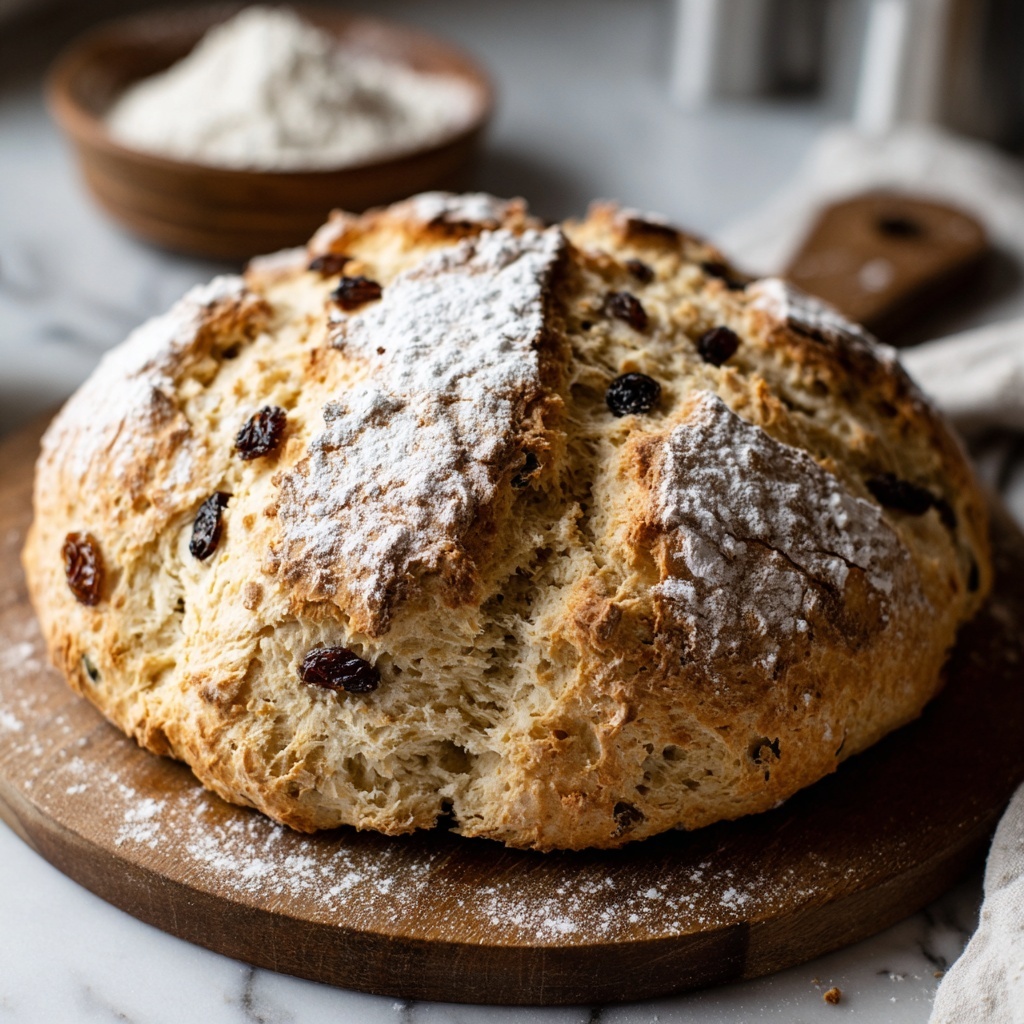
If you crave a bread that carries the warmth and charm of a cozy Irish kitchen, this Irish Soda Bread Recipe – Nostalgic Ultimate Classic Recipe is exactly what you need on your table. With its perfectly tender crumb, lightly crisp crust, and just a whisper of sweetness, this bread feels like a comforting hug in every slice. It’s a humble recipe that has stood the test of time because of its simplicity and welcoming flavor—ideal for when you want to create something wholesome yet deeply satisfying without fussing over complicated techniques.
Ingredients You’ll Need
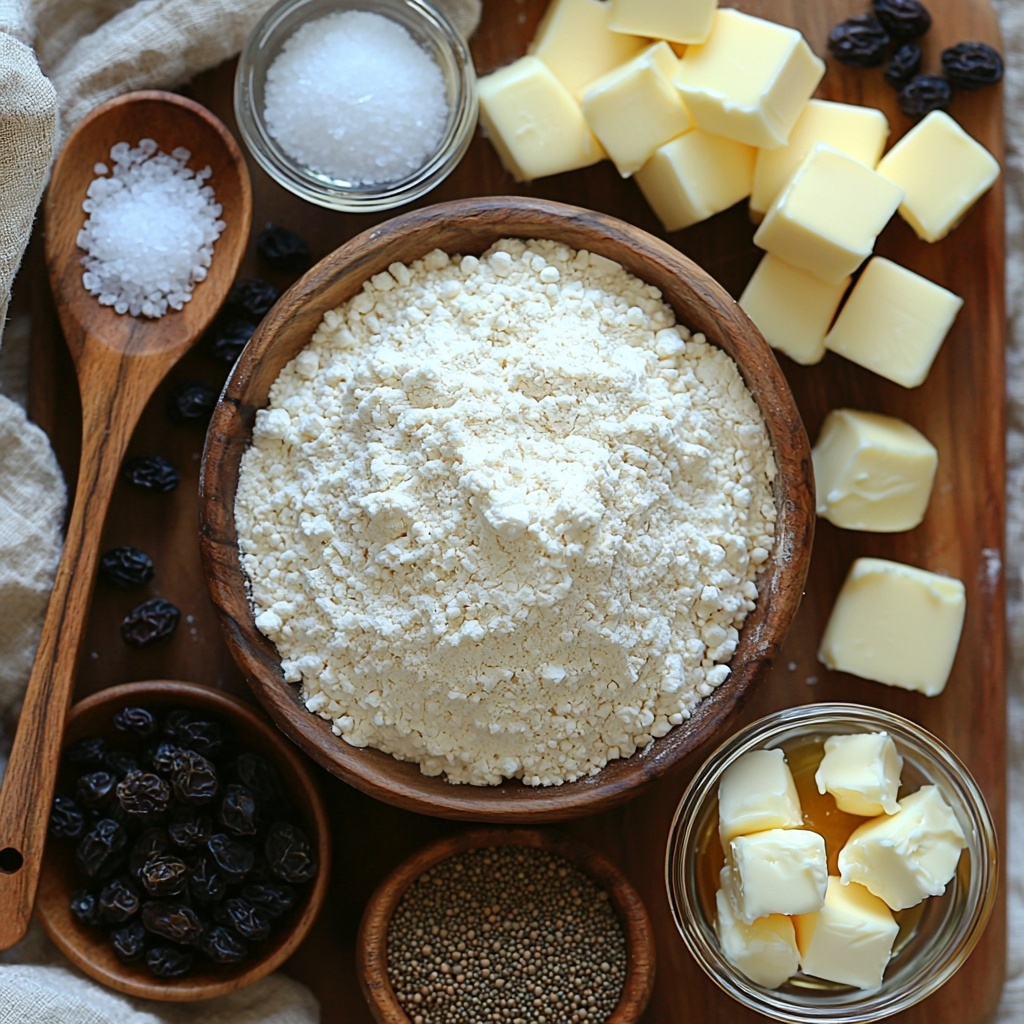
What makes this Irish soda bread so magical is how few but how thoughtfully chosen the ingredients are. Each one plays a crucial role, from the bright tang of buttermilk that brings the loaf to life, to the warm notes of caraway seeds or raisins that add character to every bite.
- All-purpose flour (4 cups / 500 g): The sturdy base of your bread, providing the perfect structure and a tender crumb.
- Baking soda (1 tsp): The leavening hero that makes this quick bread rise beautifully without yeast.
- Fine salt (1 tsp): Enhances the flavors and balances the natural sweetness.
- Cold buttermilk (1 ¾ cups / 420 ml): Provides moisture, activates the baking soda, and adds a delectable tang.
- Cold unsalted butter (2 tbsp / 28 g): Adds richness and contributes to the bread’s tender texture.
- Sugar or honey (1–2 tbsp / 12–25 g): Offers just the right amount of gentle sweetness without turning the bread into a dessert.
- Optional—raisins or currants (¾ cup / 110–120 g): Perfect for a sweet, bakery-style loaf that feels festive and inviting.
- Optional—caraway seeds (1 tbsp): Delivers a traditional, aromatic flavor that’s earthy and comforting.
How to Make Irish Soda Bread Recipe – Nostalgic Ultimate Classic Recipe
Step 1: Gather and Measure Your Ingredients Precisely
Before you begin, make sure to spoon your flour carefully into your measuring cup and level it off. This prevents the dreaded dense texture caused by packed flour. Fresh baking soda is your best bet for a lively rise, and the buttermilk should be icy cold to keep the fats from melting prematurely. Having everything ready keeps the process smooth and fun!
Step 2: Mix Dry Ingredients Together
In a large mixing bowl, whisk together the flour, baking soda, and salt until evenly combined. This ensures the soda and salt are distributed throughout the dough, so every bite is perfectly seasoned and rises evenly. If you’re opting for caraway seeds or tossing in raisins, add them now so they get evenly mixed into the flour.
Step 3: Cut in the Cold Butter
Using your fingertips or a pastry cutter, gently work the cold butter pieces into the flour mixture until it resembles coarse crumbs. This step is crucial because those tiny pockets of butter melt during baking and create a tender, flaky crumb. Resist the temptation to overwork the dough here—gentle hands make all the difference.
Step 4: Add Buttermilk and Sweetener
Pour in the cold buttermilk all at once, then sprinkle your sugar or honey on top. Stir gently with a wooden spoon or your hand until a shaggy, moist dough forms. If the dough feels too dry or crumbly, add buttermilk a tablespoon at a time—just enough so it holds together without becoming sticky. This step takes a bit of feel, so trust your hands.
Step 5: Shape the Dough Into a Rustic Loaf
Turn the dough out onto a lightly floured surface and pat it into a rough round, about 7 inches in diameter and 1 ½ inches thick. Avoid kneading—the goal is to preserve the airiness. Use a sharp knife to cut an X about 1 inch deep on the top of the loaf; this classic mark helps the bread cook evenly and gives it that authentic Irish look.
Step 6: Bake Until Golden Brown
Transfer your loaf to a parchment-lined baking sheet and pop it into a preheated oven at 425°F (220°C). Bake for about 40 minutes, or until the crust is a warm golden brown and the bread sounds hollow when tapped on the bottom. This chewy, rustic crust is one of the things that make this Irish Soda Bread Recipe – Nostalgic Ultimate Classic Recipe so special.
Step 7: Cool Completely Before Slicing
Patience is key! Let your bread cool on a wire rack for at least 30 minutes. This resting time helps the crumb set and makes slicing easier, so you don’t end up with a gummy center. Trust me, the wait is absolutely worth it.
Step 8: Enjoy the Fruits of Your Labor
Slice generously and dive in. Whether you spread it with butter, jam, or use it as a base for a hearty meal, this bread shines every time. And hey, if you’re feeling adventurous, a little extra butter with a sprinkle of salt never hurts either!
How to Serve Irish Soda Bread Recipe – Nostalgic Ultimate Classic Recipe
Garnishes
Simple is often best here. A pat of high-quality butter melting into a warm slice makes for a sublime experience. For a touch of indulgence, try a drizzle of honey or a smear of creamy Irish butter. Fresh herbs like chives or parsley can add a lovely pop of color and subtle flavor if you’re serving it alongside meals.
Side Dishes
Irish soda bread pairs beautifully with classic dishes. Think hearty stews, creamy chowders, or a breakfast spread featuring eggs and smoked salmon. Its sturdy texture is perfect for soaking up broths and sauces, making every bite rich and memorable.
Creative Ways to Present
Want to impress? Turn slices into crunchy croutons for salads or soups, or toast thick pieces and top with avocado and a sprinkle of chili flakes for a modern twist. You can even serve it with a selection of cheeses, chutneys, and pickles for a convivial sharing platter that invites conversation and savoring.
Make Ahead and Storage
Storing Leftovers
Wrap your Irish soda bread in a clean tea towel or store it in an airtight container at room temperature to keep the crust from getting too soft. It’s best enjoyed within two days for optimal freshness and texture.
Freezing
If you want to enjoy this Irish Soda Bread Recipe – Nostalgic Ultimate Classic Recipe whenever the craving hits, slice the cooled loaf first and freeze the pieces in a zip-lock bag. Toast or warm slices straight from the freezer for a fresh-baked feel any day.
Reheating
To bring your bread back to life, gently toast or warm it in an oven at 350°F (175°C) for about 10 minutes. This revives the crust and restores that perfect tender crumb inside, making leftovers taste just as heavenly as fresh.
FAQs
Can I substitute milk for buttermilk?
While regular milk can work in a pinch, buttermilk is essential for this recipe because its acidity activates the baking soda, giving the bread its characteristic rise and tender crumb. If you don’t have buttermilk, mix one tablespoon of lemon juice or white vinegar with just under two cups of milk and let it sit for 10 minutes before using.
Why is Irish soda bread denser than yeast bread?
Irish soda bread uses baking soda as a leavening agent instead of yeast, so it doesn’t have the same airiness or chewiness as yeast breads. The result is a quick bread with a tender crumb and a rustic texture that makes it uniquely comforting and satisfying.
Can I add other dried fruits or nuts?
Absolutely! While raisins or currants are traditional, feel free to add chopped dried apricots, cranberries, or even toasted nuts for a personalized touch. Just keep the total additional mix-ins to about ¾ cup to maintain balance in the dough.
How do I know when the bread is fully baked?
The bread is done when it has a deep golden crust, sounds hollow when tapped on the bottom, and a toothpick inserted near the center comes out clean. If you have a kitchen thermometer, the internal temperature should be around 190°F (88°C).
Can I make this bread vegan?
To make a vegan version, substitute the buttermilk with a plant-based milk mixed with a tablespoon of lemon juice or vinegar and replace the butter with a vegan alternative. Keep in mind the texture might differ slightly, but it will still capture the spirit of this nostalgic classic.
Final Thoughts
This Irish Soda Bread Recipe – Nostalgic Ultimate Classic Recipe is one of those gems that never goes out of style. It’s warm, approachable, and effortlessly delicious—perfect for cozy mornings, family dinners, or sharing with friends. I encourage you to give this lovely loaf a try; it’s a simple way to connect with tradition and create moments that feel timeless in every bite.
Print
Irish Soda Bread Recipe – Nostalgic Ultimate Classic Recipe
- Prep Time: 10 minutes
- Cook Time: 40 minutes
- Total Time: 50 minutes
- Yield: 1 rustic loaf (8 slices)
- Category: Bread
- Method: Baking
- Cuisine: Irish
Description
This classic Irish Soda Bread recipe delivers a nostalgic and rustic loaf with a tender crumb and crisp crust. Made quickly without yeast, it relies on baking soda and buttermilk for leavening, resulting in an easy, traditional bread perfect for any occasion.
Ingredients
Dry Ingredients
- 4 cups (500 g) all-purpose flour, plus extra for shaping
- 1 tsp baking soda (fresh for best rise)
- 1 tsp fine salt
- 1–2 tbsp (12–25 g) sugar or honey (optional, for gentle sweetness)
- ¾ cup (110–120 g) raisins or currants (optional, for sweet version)
- 1 tbsp caraway seeds (optional, for traditional flavor)
Wet Ingredients
- 1 ¾ cups (420 ml) cold buttermilk, plus 1–2 tbsp as needed
- 2 tbsp (28 g) cold unsalted butter, cut into small pieces
Instructions
- Prepare Dry Ingredients: In a large bowl, whisk together the all-purpose flour, baking soda, fine salt, sugar or honey (if using), and any chosen additions like raisins, currants, or caraway seeds. This mix forms the base of your soda bread.
- Add Butter: Cut the cold unsalted butter into small pieces and incorporate it into the flour mixture using your fingertips or a pastry cutter until the mixture resembles coarse crumbs. This creates a tender texture in the bread.
- Mix in Buttermilk: Pour the cold buttermilk into the flour and butter mixture. Using a wooden spoon, gently mix just until a shaggy dough forms. If the dough appears too dry or crumbly, add extra buttermilk one tablespoon at a time, aiming for a moist, non-sticky dough.
- Shape the Dough: Turn the dough out onto a floured surface and gently bring it together into a rough round loaf. Handle the dough lightly to avoid a dense crumb. Pat or lightly shape the loaf to about 8 inches in diameter and 2 inches thick.
- Score the Bread: Transfer the loaf onto a baking sheet lined with parchment paper. Using a sharp knife, cut a deep cross (about ⅓ inch) across the top of the loaf. This traditional scoring helps the bread bake evenly and allows steam to escape.
- Bake the Bread: Preheat your oven to 425°F (220°C). Place the bread in the oven and bake for about 40 minutes. The soda bread is done when it has a golden-brown crust, and sounds hollow when tapped on the bottom.
- Cool the Bread: Remove the bread from the oven and transfer it to a wire rack. Allow it to cool completely before slicing to ensure the crumb sets nicely and crumbles less.
- Serve and Enjoy: Slice the bread into 8 generous pieces. Serve plain, with butter, or alongside soups and stews for a comforting, traditional Irish meal.
Notes
- Measure flour lightly by spooning into the cup and leveling. Avoid packing flour to prevent a dense loaf.
- Use fresh baking soda to maximize the bread’s rise and achieve a tender texture.
- Buttermilk is essential for flavor and activating the baking soda. If needed, substitute with milk plus lemon juice or vinegar but expect slight variations in taste.
- Handle the dough gently to maintain a light crumb; avoid overmixing or kneading.
- The scoring cross on top is both traditional and functional, helping the bread bake properly.
- This bread is best eaten within 1-2 days; slice and toast leftover bread for renewed freshness.