If you’ve ever dreamed of crafting a perfect pie from scratch, mastering the crust is the golden ticket—and that’s where this Homemade Pie Crust Recipe shines. It’s wonderfully flaky, buttery, and tender, making every bite a delightful experience. Whether you’re aiming for a classic apple pie, a rich pumpkin tart, or a savory chicken pot pie, this crust forms the ideal foundation, elevating your baking game with its simplicity and unbeatable texture.
Ingredients You’ll Need
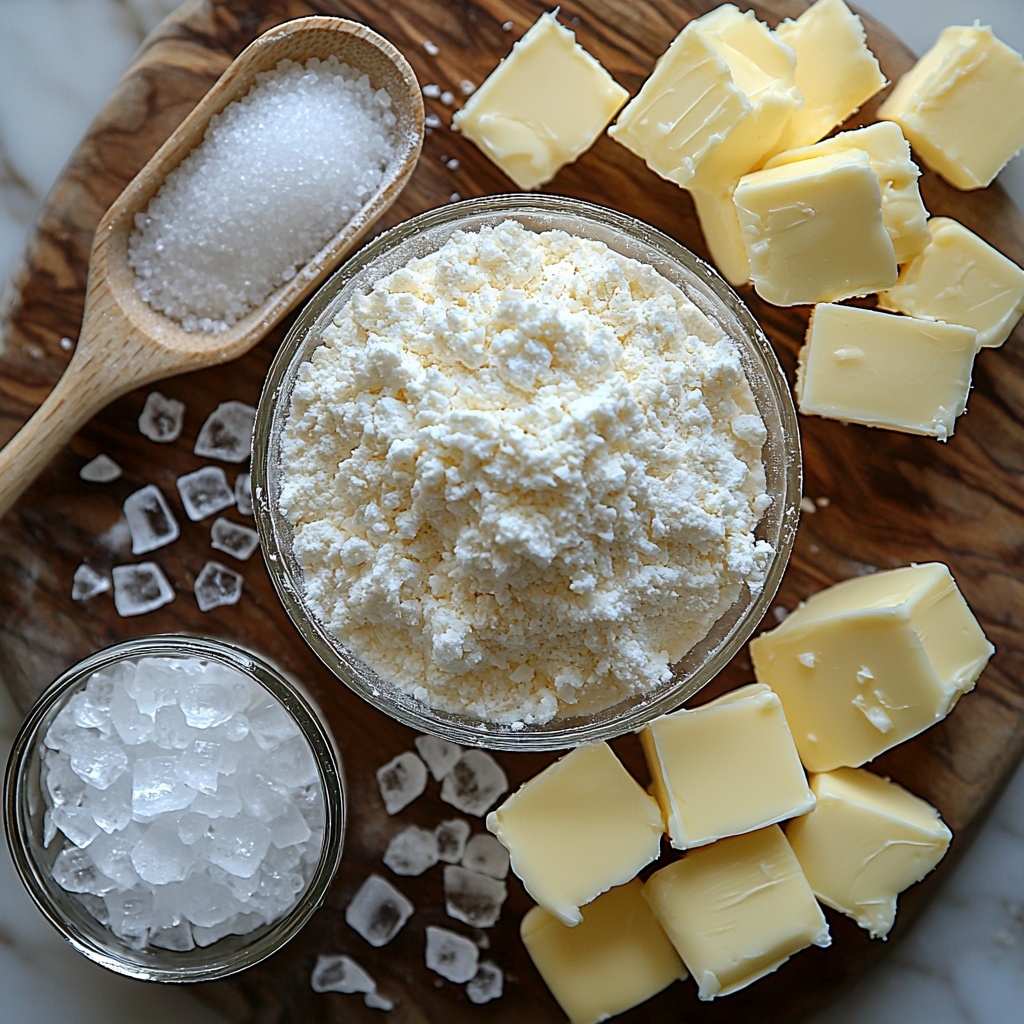
Every ingredient in this Homemade Pie Crust Recipe plays a vital role in building that flaky, tender texture and rich flavor. The beauty lies in how straightforward yet purposeful these pantry staples are, coming together to create a crust that’s truly memorable.
- 2 1/2 cups all-purpose flour: The base for structure and tenderness, measured carefully to ensure the perfect dough consistency.
- 1/2 tablespoon granulated sugar: Adds a subtle sweetness that balances savory or sweet pie fillings effortlessly.
- 1/2 teaspoon sea salt: Enhances the flavors, rounding out the butter and flour’s natural tastes.
- 1/2 pound cold unsalted butter: The secret to the flaky layers, diced small so it chills quickly and creates pockets of luscious butter in the dough.
- 7 tablespoons ice water: Keeps the dough cool and helps bring it together without melting the butter, preserving flakiness.
How to Make Homemade Pie Crust Recipe
Step 1: Combine Dry Ingredients
Start by blending the flour, sugar, and sea salt in a food processor or a large bowl if working by hand. Mixing these dry elements first ensures an even flavor distribution and sets the stage for a perfectly textured crust later on.
Step 2: Incorporate Cold Butter
Next, add your diced cold butter. Pulse the mixture just a few times in the food processor or use a pastry cutter to gently work the butter into the flour until you have coarse crumbs dotted with pea-sized butter chunks. This technique is crucial because those little butter bits create the flaky layers we all crave.
Step 3: Add Ice Water
Drizzle in 7 tablespoons of ice water gradually, pulsing or stirring until the dough begins to clump together. If it feels too dry, add more water one teaspoon at a time. The cold water keeps the butter cold and helps the dough bind—key for a tender crust that doesn’t get tough.
Step 4: Form and Chill the Dough
Turn your dough out onto a clean surface and gently gather it into a ball. Split it evenly into two disks, wrap them tightly in plastic wrap, and refrigerate for at least one hour. This rest time relaxes the gluten and keeps everything firm, making rolling easier and the crust flakier after baking.
Step 5: Roll Out the Crust
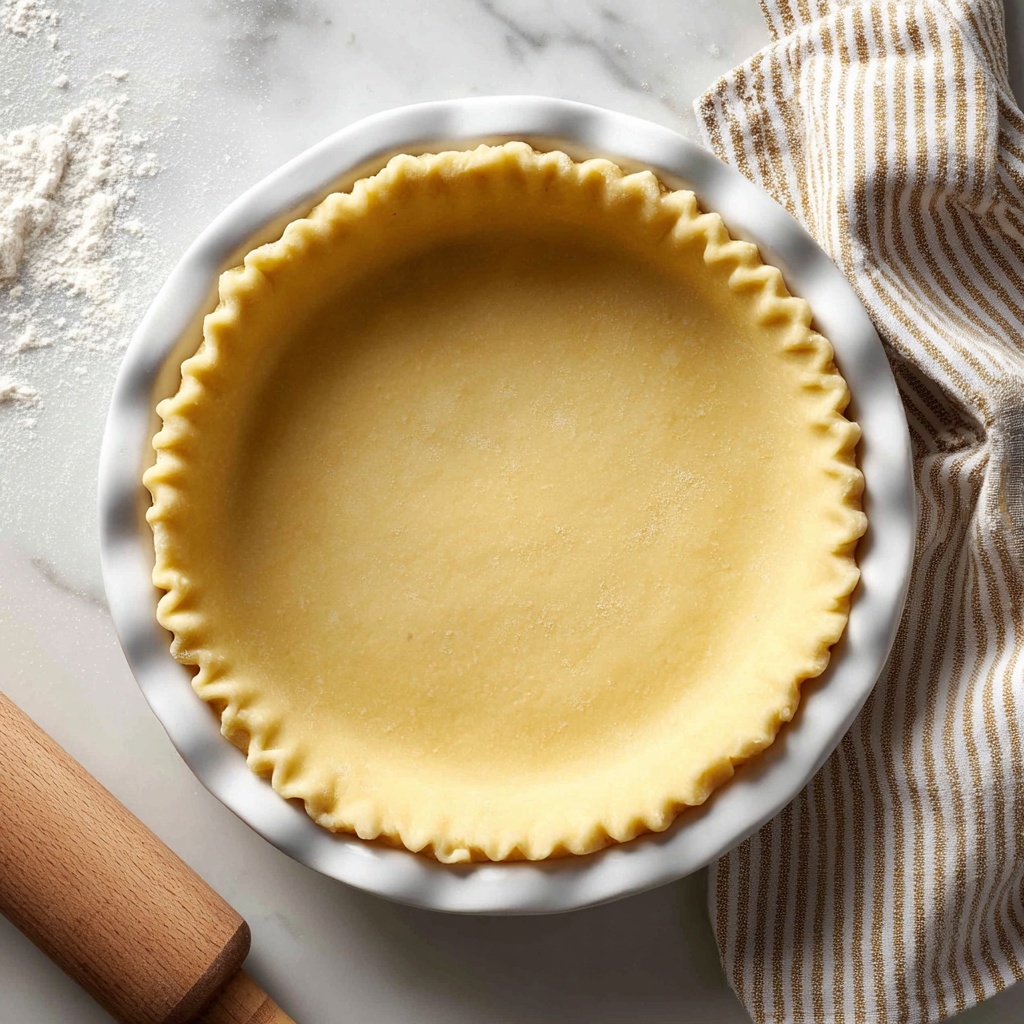
Once chilled, lightly dust your rolling surface and roll one disk into a 12-inch circle. Transfer it carefully to your pie dish, pressing gently to fit. Don’t worry about perfection—the slightly rustic edges add charm! Trim or fold the edges as desired to give your pie character.
Step 6: Add Filling and Bake
If your pie calls for an unbaked crust—classic favorites like pumpkin or chicken pot pie—go ahead and add your filling right into the raw dough. Then bake according to your pie recipe’s instructions for a beautifully baked pie from the inside out.
Step 7: Blind Baking for Pre-Baked Crusts
For pies that require a pre-baked crust, you’ll want to prevent shrinkage by lining the crust with parchment paper and filling it with pie weights, dried beans, or uncooked rice. Bake at 375°F for 15 to 20 minutes, then remove the weights and parchment, prick the crust’s bottom with a fork, and bake another 10 to 15 minutes until golden. Let it cool completely before filling—this method ensures a crisp, perfectly baked base.
How to Serve Homemade Pie Crust Recipe
Garnishes
Enhance your pie with eye-catching garnishes like flaky sea salt sprinkles, coarse sugar crystals on sweet pies, or fresh herbs on savory ones. These touches don’t just look charming—they add splendid texture and a burst of flavor that complements the buttery crust.
Side Dishes
Pair savory pies with fresh green salads, roasted vegetables, or a zesty cranberry relish to balance richness. For sweet pies, a scoop of vanilla ice cream or a dollop of freshly whipped cream turns each bite into pure comfort heaven.
Creative Ways to Present
Thinking outside the box is the best way to wow friends and family. Use mini tart pans for individual servings, lattice the top crust for an inviting pattern, or cut out small shapes to decorate the edges. No matter your choice, your Homemade Pie Crust Recipe provides the perfect canvas for creativity.
Make Ahead and Storage
Storing Leftovers
Wrap any unused pie crust or dough tightly in plastic wrap and store it in the refrigerator for up to three days. This helps the dough maintain moisture and keeps the butter from warming too much, preserving its flaky texture when baked.
Freezing
Homemade pie dough freezes beautifully. Wrap disks tightly in plastic wrap and place them in a freezer bag for up to three months. Thaw in the refrigerator overnight before rolling out, making baking from scratch even more convenient without sacrificing quality.
Reheating
For baked pies, reheat slices in a 350°F oven for about 10 to 15 minutes. This restores the crust’s crispness and warms fillings gently, bringing your Homemade Pie Crust Recipe back to its freshly baked glory whenever you want.
FAQs
Can I use salted butter instead of unsalted in this Homemade Pie Crust Recipe?
Yes, you can, but reduce or omit the additional sea salt in the recipe to avoid oversalting. Unsalted butter gives you full control over the seasoning, but salted works just fine if that’s what you have on hand.
What if I don’t have a food processor?
No worries! You can absolutely make this pie crust by hand using a pastry cutter or two forks to cut the butter into the flour mixture. The key is to keep the butter cold and not overwork the dough to maintain flakiness.
Why is it important to use cold butter and ice water?
Cold butter and ice water prevent the butter from melting before baking, which creates steam pockets in the dough and results in a flaky, tender crust. Warm ingredients cause the fat to blend too quickly with flour, producing a tougher crust.
How long can I chill the dough before using it?
Chilling the dough for at least one hour is ideal, but you can refrigerate it for up to 48 hours. Just make sure it’s well wrapped so it doesn’t dry out or absorb odors from the fridge.
What are pie weights, and can I use something else?
Pie weights are heavy ceramic or metal beads used during blind baking to keep the crust from puffing or shrinking. If you don’t have weights, dried beans or uncooked rice work perfectly as budget-friendly alternatives.
Final Thoughts
Making this Homemade Pie Crust Recipe is a joy that pays off every time you slice into a beautifully flaky, buttery pie. It’s a foundation you’ll come back to again and again—whether for sweet or savory creations. So roll up your sleeves, grab your rolling pin, and let the delicious journey begin with this classic crust that feels like a warm hug from your kitchen.
Print
Homemade Pie Crust Recipe
- Prep Time: 10 minutes
- Cook Time: 35 minutes (for blind baking)
- Total Time: 1 hour 45 minutes (including chilling and blind baking)
- Yield: 12 servings (one 9-12 inch pie crust or two 9-inch crusts)
- Category: Baking
- Method: Baking
- Cuisine: American
Description
This homemade pie crust recipe offers a flaky, buttery base perfect for both sweet and savory pies. Made from simple pantry staples, including all-purpose flour, cold butter, and ice water, this crust is easy to prepare using a food processor or by hand. Chill time ensures a firm dough that rolls out smoothly, while versatile instructions cover both unbaked and blind-baked crust preparations. Ideal for classic pies like apple, pumpkin, or chicken pot pie, it guarantees a tender, golden crust every time.
Ingredients
Dry Ingredients
- 2 1/2 cups all-purpose flour, plus extra for dusting
- 1/2 tablespoon granulated sugar
- 1/2 teaspoon sea salt
Wet Ingredients
- 1/2 pound (8 ounces) unsalted butter, cold and diced into 1/4 inch pieces
- 7 tablespoons ice water (plus 1 tablespoon more if needed)
Instructions
- Combine Dry Ingredients: In a food processor or large mixing bowl, blend the all-purpose flour, granulated sugar, and sea salt thoroughly by pulsing or whisking to ensure even distribution.
- Add Cold Butter: Incorporate the diced cold unsalted butter into the dry mixture. Pulse a few times until the mixture resembles coarse crumbs with occasional pea-sized pieces. If using a pastry cutter by hand, gently work the butter in for similar texture.
- Add Ice Water: Gradually drizzle the ice water over the mixture while pulsing or stirring, just until the dough begins to clump together. Add additional water by the teaspoon if the dough feels too dry and crumbly.
- Form Dough Balls: Turn the dough out onto a lightly floured surface. Gather it into a ball, divide into two equal portions, and shape each into a disk. Wrap the disks tightly in plastic wrap and chill in the refrigerator for at least one hour to firm up.
- Roll Out Dough: After chilling, dust your work surface with flour and roll out one disk into a 12-inch circle. Gently transfer it to your pie dish, pressing to fit, then trim or fold the edges as preferred.
- Use Unbaked for Filled Pies: For pies that require an unbaked crust such as pumpkin, apple, or chicken pot pies, add the filling directly to the raw crust and bake according to your pie recipe’s instructions.
- Blind Bake if Needed: To avoid shrinkage for pre-baked crust recipes, line the unbaked crust with parchment paper and fill with pie weights, dried beans, or uncooked rice (about 1 to 2 cups). Bake in a preheated oven at 375°F for 15 to 20 minutes. Remove the parchment and weights, prick the crust bottom with a fork, then bake an additional 10 to 15 minutes until lightly golden. Let cool completely before adding fillings.
Notes
- Ensure the butter is very cold to achieve a flaky crust texture.
- Adjust water quantity slightly depending on humidity and flour type; dough should come together but not be sticky.
- Chilling the dough is essential to relax gluten and firm fat for easier rolling.
- Pie weights or dried beans help prevent the crust from bubbling or shrinking during blind baking.
- Use flour for dusting to prevent sticking but avoid adding too much to keep the dough tender.
- Wrap and refrigerate or freeze unused dough disks for future use.