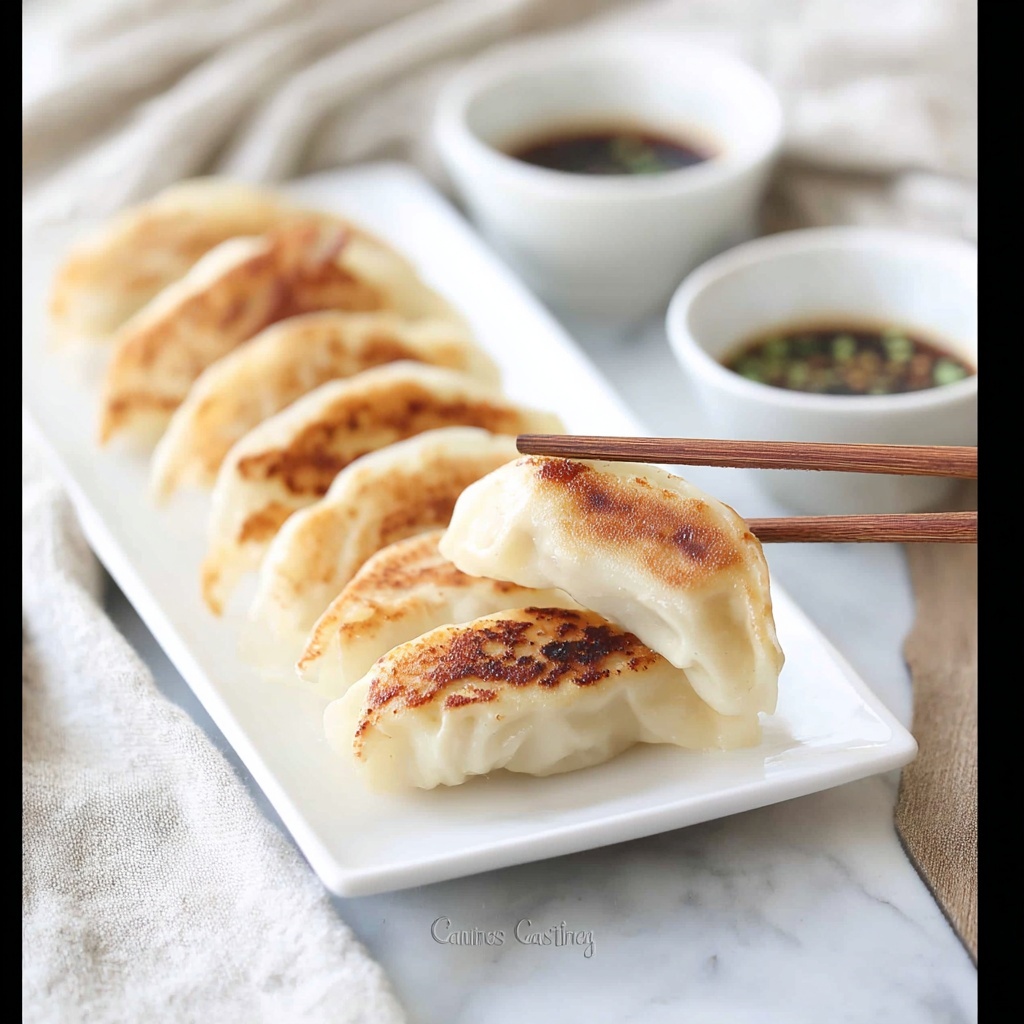
If you love dumplings that deliver a perfect harmony of crispiness, juiciness, and a touch of savory goodness, you are about to fall head over heels with this Japanese Gyoza (Dumplings) Recipe. These delicate crescent-shaped delights are filled with a flavorful pork and vegetable mixture wrapped in thin skins that turn golden and wonderfully crisp on the bottom. Trust me, once you make these at home, they will become your go-to crowd-pleaser whether for family dinners, special occasions, or casual snacking. The magic of Japanese gyoza lies not just in the fillings but in the artful fold and that irresistible pan-fried finish that makes each bite so memorable.
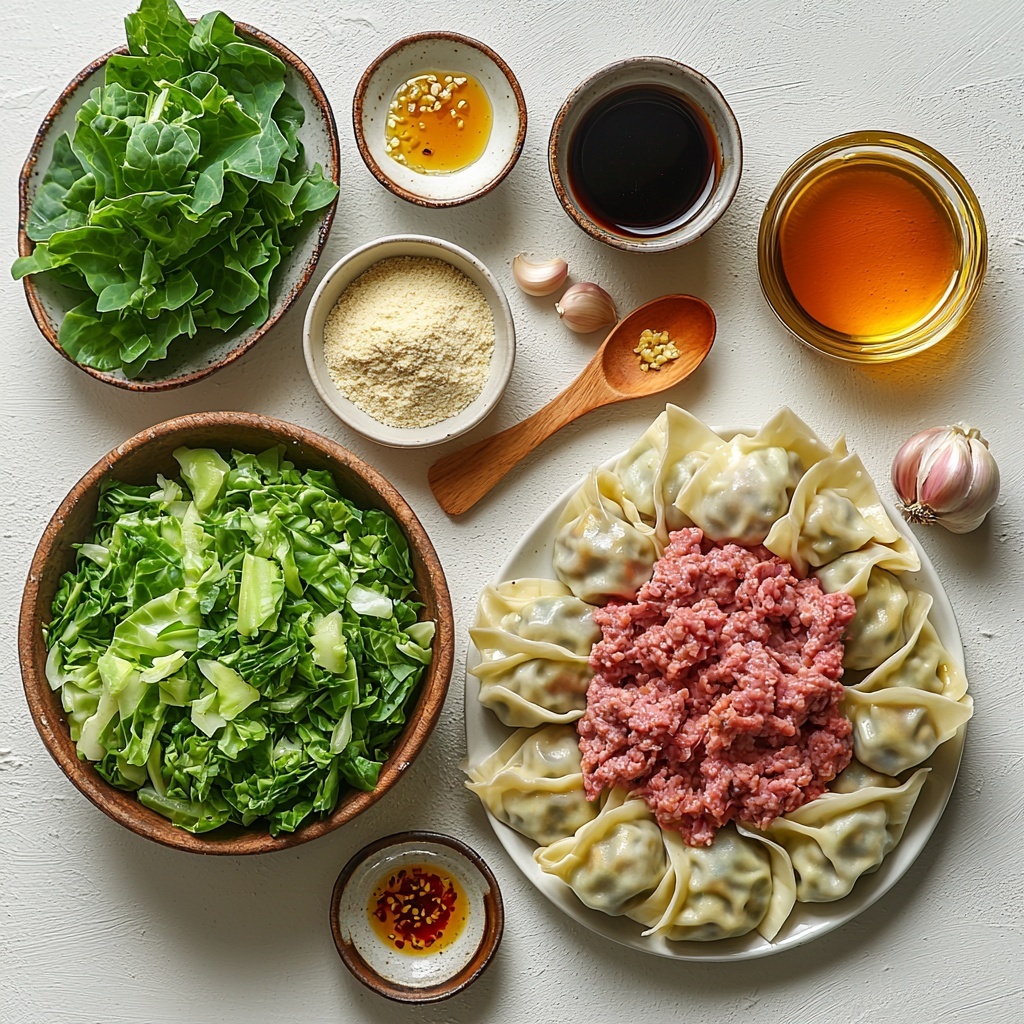
Ingredients You’ll Need
What’s wonderful about this Japanese Gyoza (Dumplings) Recipe is how straightforward the ingredients are, yet each one plays a vital role in creating that perfect balance of flavor and texture. The freshness of cabbage and garlic chives bring brightness, the pork provides juicy richness, and a few simple seasonings tie everything beautifully together.
- 1 1/2 cups green cabbage, very finely chopped: Adds crunch and a mildly sweet contrast to the pork.
- 1 tsp salt, separated: Essential for seasoning and drawing moisture from the cabbage.
- 1 lb / 500g ground pork (mince) (fattier the better): The star protein that makes the filling juicy and flavorful.
- 1 cup garlic chives, finely chopped: Offers an aromatic punch that lifts the whole mixture.
- 1 garlic clove, crushed: Infuses subtle warmth and depth.
- 1 tsp ginger, grated: Adds a gentle zing and freshness.
- 1 tsp sesame oil: Gives a nutty fragrance that’s unmistakably Asian.
- 1 tbsp cornstarch / corn flour: Helps bind the filling so it stays juicy but firm.
- 2 tsp soy sauce: Provides salty umami to enhance all flavors.
- 1 tsp cornflour (cornstarch) – for tray: Prevents sticking when you arrange the wrappers.
- 40 – 45 round wonton (gyoza) wrappers (Gow Gee wrappers) – 1 1/2 packets: Thin and pliable, perfect for delicate but sturdy dumplings.
- 3 tbsp vegetable oil (or other cooking oil): Essential for pan-frying and crisping the bottoms.
- Soy sauce, rice wine vinegar, chili oil (Rayu): For a dipping sauce that lets everyone tailor their flavor experience.
How to Make Japanese Gyoza (Dumplings) Recipe
Step 1: Prepare the Cabbage
Start by mixing the finely chopped cabbage with half a teaspoon of salt in a small bowl. This step is crucial because it wilts the cabbage slightly, softening its texture and releasing excess moisture which prevents soggy dumplings later. Let it rest for 20 minutes while you gather the rest of your ingredients.
Step 2: Make the Filling
After 20 minutes, squeeze out any remaining water from the cabbage to keep the filling from getting watery. Combine the cabbage with ground pork, garlic chives, crushed garlic, grated ginger, sesame oil, cornstarch, soy sauce, and the remaining half teaspoon of salt in a large bowl. Use your hands to thoroughly mix everything until you achieve a sticky, well-integrated mixture—this ensures your filling will bind beautifully inside the wrappers.
Step 3: Get Ready to Fill
Lightly dust a baking tray with one teaspoon of cornstarch to keep your gyoza from sticking once formed. This simple prep makes handling the delicate dumplings much easier and keeps them pristine before cooking.
Step 4: Assemble the Gyoza
Place one wrapper on the palm of your hand. Using a finger dipped in water, carefully moisten the edge of half the wrapper to create a seal once folded. Spoon about a heaped tablespoon of filling onto the moistened half of the wrapper. Then, fold the wrapper over and use your fingers and thumb to create four neat pleats along the sealed edge. Press firmly to seal, making sure there are no gaps. Lay each finished gyoza on your prepared tray and repeat with the remaining wrappers and filling. Taking your time here guarantees beautifully pleated dumplings that cook evenly.
Step 5: Cook the Gyoza
Heat one tablespoon of vegetable oil in a large skillet over medium-high heat. Arrange about 12 gyoza in neat rows, slightly overlapping. Let them cook without moving until the bottoms turn a light golden brown—this creates that signature crispy base. Next, carefully pour 1/3 cup of water into the pan around the gyoza and immediately cover with a lid to steam. Cook for 3 to 4 minutes until the water evaporates and the dumpling wrappers become slightly translucent on top but remain crisp on the bottom.
Step 6: Plate and Serve
Use a spatula to gently flip the dumplings onto a plate so the golden, crispy side is facing upwards. Your golden-brown Japanese gyoza are now ready to be enjoyed with your favorite dipping sauce.
How to Serve Japanese Gyoza (Dumplings) Recipe
Garnishes
Fresh garnishes can elevate your gyoza experience to the next level. Sprinkle finely chopped spring onions or additional garlic chives on top for a burst of fresh color and flavor. Tiny dots of toasted sesame seeds add a lovely nuttiness and slight crunch which complements the soft filling beautifully.
Side Dishes
Japanese gyoza pair wonderfully with simple sides like steamed white rice or a light cucumber salad dressed in rice vinegar. Miso soup or a bowl of hot ramen nearby turns your meal into a delightful spread that feels comfortingly complete.
Creative Ways to Present
For a fun twist, serve your gyoza in bamboo steamers for a restaurant-style vibe, or arrange them artistically on a large platter surrounded by little dipping bowls filled with soy sauce, rice wine vinegar, and chili oil. Let everyone customize their sauce to match their heat preference—this makes dining interactive and more enjoyable.
Make Ahead and Storage
Storing Leftovers
If you have any leftovers, store your cooked gyoza in an airtight container in the refrigerator immediately after they cool down. They will keep well for 3-4 days, retaining their flavor and texture so you can enjoy them fresh throughout the week.
Freezing
This Japanese Gyoza (Dumplings) Recipe also freezes beautifully. Lay the uncooked, sealed dumplings in a single layer on a baking tray dusted with cornstarch and freeze until solid. Then transfer them to a freezer-safe container or bag. They can be kept frozen for up to one month without losing quality, making them perfect for meal prep or a quick snack anytime.
Reheating
To reheat, pan-fry or steam the dumplings straight from the fridge or freezer. Use a splash of oil and a little water to crisp the bottoms and finish with steaming under a lid for a few minutes until heated through. This gently restores that irresistible contrast of textures without drying them out.
FAQs
What if I can’t find garlic chives?
No worries! You can substitute with finely chopped scallions (green onions) or even mild chives. The flavor won’t be exactly the same, but it will still add a nice herbal note that complements the pork filling.
Can I make vegetarian gyoza using this recipe?
Absolutely. Swap the ground pork for a mixture of finely chopped shiitake mushrooms, tofu, and perhaps shredded carrots or more cabbage. Use vegetable oil and adjust seasoning with soy sauce and sesame oil to keep the same umami and texture balance.
Should I boil or steam gyoza instead of pan-frying?
While boiling or steaming is possible, pan-frying then steaming (the classic yaki-gyoza method) delivers that perfect crispy bottom with a tender steamed top. If you prefer boiled dumplings, they’ll be softer and less crispy but still delicious.
Is it better to use store-bought gyoza wrappers?
Using store-bought gyoza or wonton wrappers is the easiest and yields consistent results. Making wrappers from scratch is rewarding but requires practice. Store-bought wrappers allow you to focus on perfecting the filling and cooking technique.
Can I prepare the gyoza ahead of time and freeze before cooking?
Definitely. Assemble your gyoza, freeze them on a tray first, then store in a sealed bag. This makes cooking quick and convenient—just cook from frozen when ready without thawing.
Final Thoughts
Trying your hand at this Japanese Gyoza (Dumplings) Recipe is like inviting a little piece of Japan right into your kitchen—with deceptively simple ingredients coming together to create such a memorable dish. Whether you make them for family, friends, or just yourself, these gyoza will fill your home with wonderful aromas and leave everyone craving more. So gather your ingredients, roll up your sleeves, and enjoy the delicious journey of dumpling-making today!
Print
Japanese Gyoza (Dumplings) Recipe
- Prep Time: 25 minutes
- Cook Time: 20 minutes
- Total Time: 45 minutes
- Yield: 40-45 gyoza (serves about 6-8 people)
- Category: Appetizer
- Method: Frying
- Cuisine: Japanese
Description
Delicious Japanese Gyoza dumplings featuring a savory pork and vegetable filling wrapped in delicate wonton wrappers, pan-fried to golden crispness and steamed to tender perfection. Served with a tangy soy-vinegar-chili dipping sauce, these dumplings make a perfect appetizer or snack.
Ingredients
Filling
- 1 1/2 cups green cabbage, very finely chopped
- 1 tsp salt, separated
- 1 lb (500g) ground pork (mince), fattier the better
- 1 cup garlic chives, finely chopped
- 1 garlic clove, crushed
- 1 tsp ginger, grated
- 1 tsp sesame oil
- 1 tbsp cornstarch (corn flour)
- 2 tsp soy sauce
Assembly
- 1 tsp cornflour (cornstarch) – for dusting tray
- 40 – 45 round wonton (gyoza) wrappers (about 1 1/2 packets)
Cooking
- 3 tbsp vegetable oil (or other cooking oil)
Dipping Sauce
- Soy sauce (to taste)
- Rice wine vinegar (to taste)
- Chili oil (Rayu, Japanese chili oil) (to taste)
Instructions
- Prepare the cabbage: Combine the finely chopped cabbage with 1/2 tsp salt in a small bowl. Set aside for 20 minutes to allow the cabbage to wilt and release excess moisture.
- Mix the filling: Place the ground pork, garlic chives, crushed garlic, grated ginger, sesame oil, 1 tbsp cornstarch, 2 tsp soy sauce, remaining 1/2 tsp salt into a large bowl. Squeeze out any excess water from the cabbage and add it to the bowl. Use your hands to thoroughly mix all filling ingredients together for a uniform blend.
- Prepare the work surface: Sprinkle a baking tray with 1 tsp cornstarch to prevent sticking. Set aside your gyoza wrappers.
- Wrap the gyoza: Place one gyoza wrapper on your palm. Dip your finger in water and run it around half the edge of the wrapper to moisten for sealing. Place a slightly heaped tablespoon of filling on the moistened half. Fold the wrapper over to enclose the filling and use your thumb and fingers to create approximately 4 pleats along the edge, pressing firmly to seal. Place each finished gyoza on the prepared tray. Repeat until all wrappers are filled.
- Heat oil for cooking: Warm 1 tablespoon of vegetable oil in a large skillet that has a lid over medium-high heat.
- Pan-fry the gyoza: Arrange about 12 gyoza in rows in the skillet, slightly overlapping. Cook until the underside is light golden brown.
- Steam the gyoza: Pour 1/3 cup water around the gyoza in the skillet and immediately cover with the lid. Allow the gyoza to steam until the water has evaporated fully, about 3 to 4 minutes, and the tops become slightly translucent. This ensures the filling cooks through and wrappers soften properly.
- Finish cooking and serve: Use a spatula or egg flip to carefully transfer the gyoza onto a plate upside down so the golden side is facing up. Serve hot with dipping sauce.
- Make the dipping sauce: Serve soy sauce, rice wine vinegar, and chili oil separately so diners can mix to taste. A typical ratio is equal parts soy sauce and vinegar with a generous splash of chili oil.
Notes
- The fattier the ground pork, the juicier and more flavorful the filling will be.
- If you cannot find gyoza wrappers, round wonton wrappers are a suitable substitute.
- Squeezing out excess cabbage moisture prevents soggy filling and helps maintain good texture inside the dumplings.
- Folding pleats can be tricky—watch a video tutorial for technique guidance.
- Use a skillet with a lid for proper pan-frying and steaming in one pan.
- Adjust dipping sauce ingredients to your preferred balance of salty, tangy, and spicy flavors.